Ransomware 2026: interpreting claim data and preparing recovery
Preserves the original Cyble, downtime, partial-encryption and RFC analysis while distinguishing claim publication from intrusion/encryption dates.
Updated: · Vietnam time (UTC+7)
Cyble's source scope and reporting period have been checked; individual organizations in the victim-claim dataset have not been independently verified. Other sources retain their names and reference scopes.
Source record before consolidation
Original title (English translation): Ransomware accelerates: another organization becomes a victim every hour
Source: No.Ransomware.VN · Original date: (the source records only the date)
Original URL: https://no.ransomware.vn/tin-ransomware/ransomware-2026-moi-gio-them-mot-nan-nhan/
The original is retained for comparison. The update history below records changes to sources, scope and assessments.
Claims, incidents and timestamps are different data
The original said “another organization becomes a victim every hour”. The consolidated headline reflects data limits: public claim counts are not hourly observed intrusion counts.
Cyble recorded 1,078 activity entries and 1,034 publicly named organizations in August 2026. These are its monitoring scope, not verified worldwide figures or Ransomware.VN statistics. Do not add leak-site claim counts to survey figures produced by another method.
The archive's press source
The archive cites Tuổi Trẻ Online, but its stored link is a category page rather than a specific article. Ransomware.VN has not independently confirmed that citation or the 30/09/2026 date; it is an archive reference, not evidence for statistics.
[Citation retained from the archive; the specific article URL has not been corroborated] On 30/09/2026, Tuổi Trẻ Online published “Ransomware attacks intensify: another organization hit every hour”, citing the report The Ransomware Brief – Aug 2026 by Cyble Research and Intelligence Labs (CRIL).
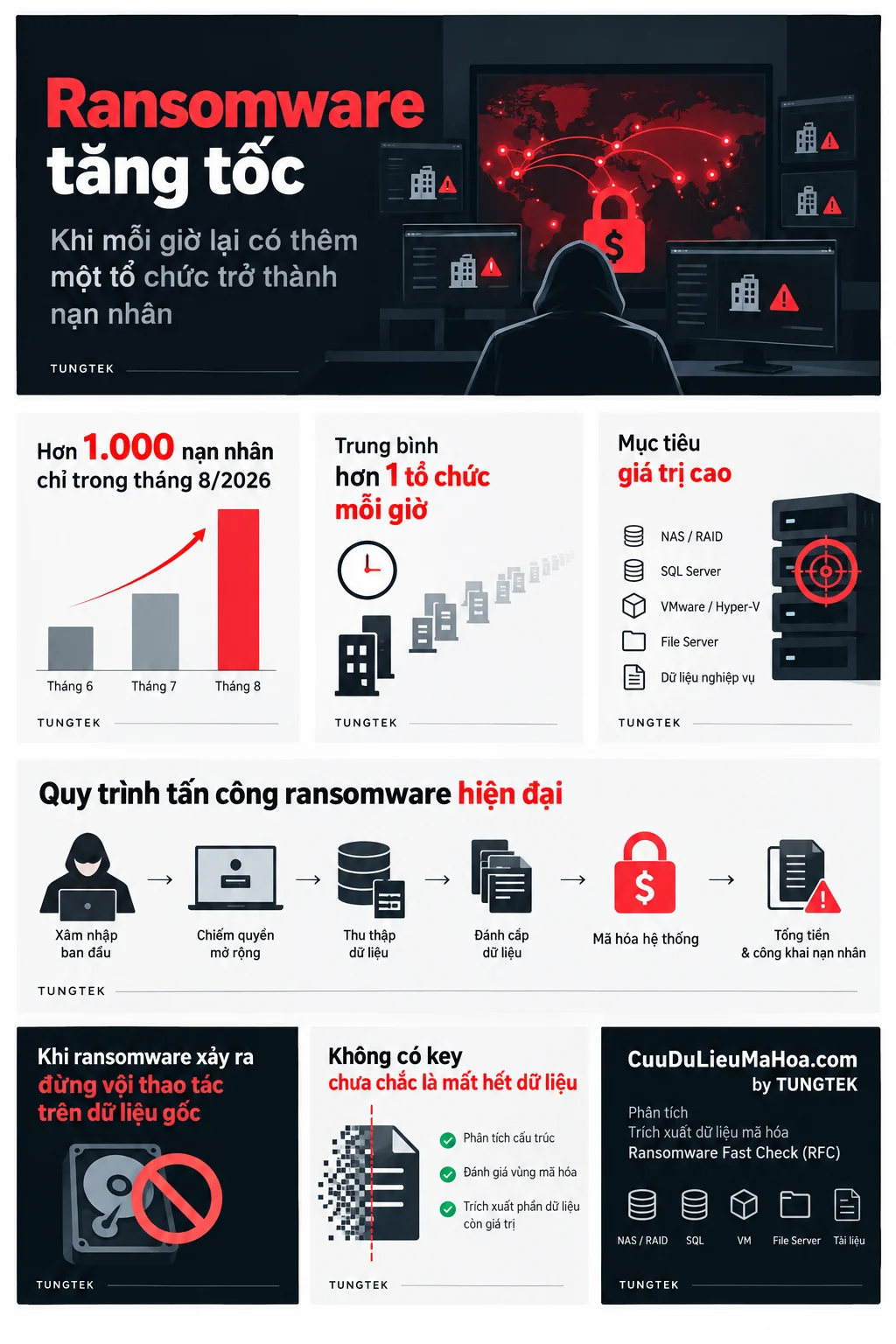
According to Cyble, August 2026 recorded 1,078 ransomware activity entries and 1,034 publicly named victims, with 88 active groups. Volume rose about 25% versus July and about 101% from June to August.
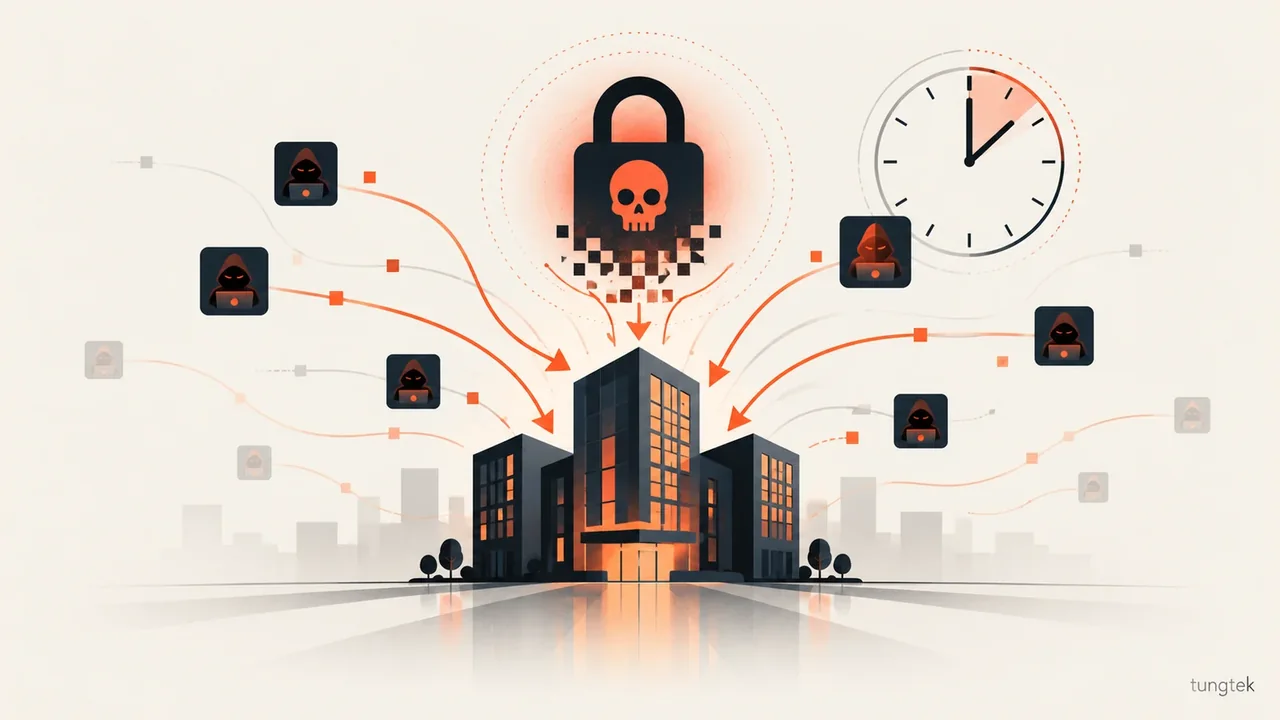
Interpret “one organization hit every hour” carefully. This converts recorded/public victim or incident counts into a rate. Intrusion, encryption and publication on a leak site may occur at different times.
Ransomware is no longer only “encrypt files and demand money”
Modern ransomware often begins with compromised VPN/RDP accounts, stolen passwords, unpatched public-facing devices or compromised workstations. Attackers may then expand control, collect credentials and discover NAS, file servers, SQL Server, Hyper-V, VMware and backups.
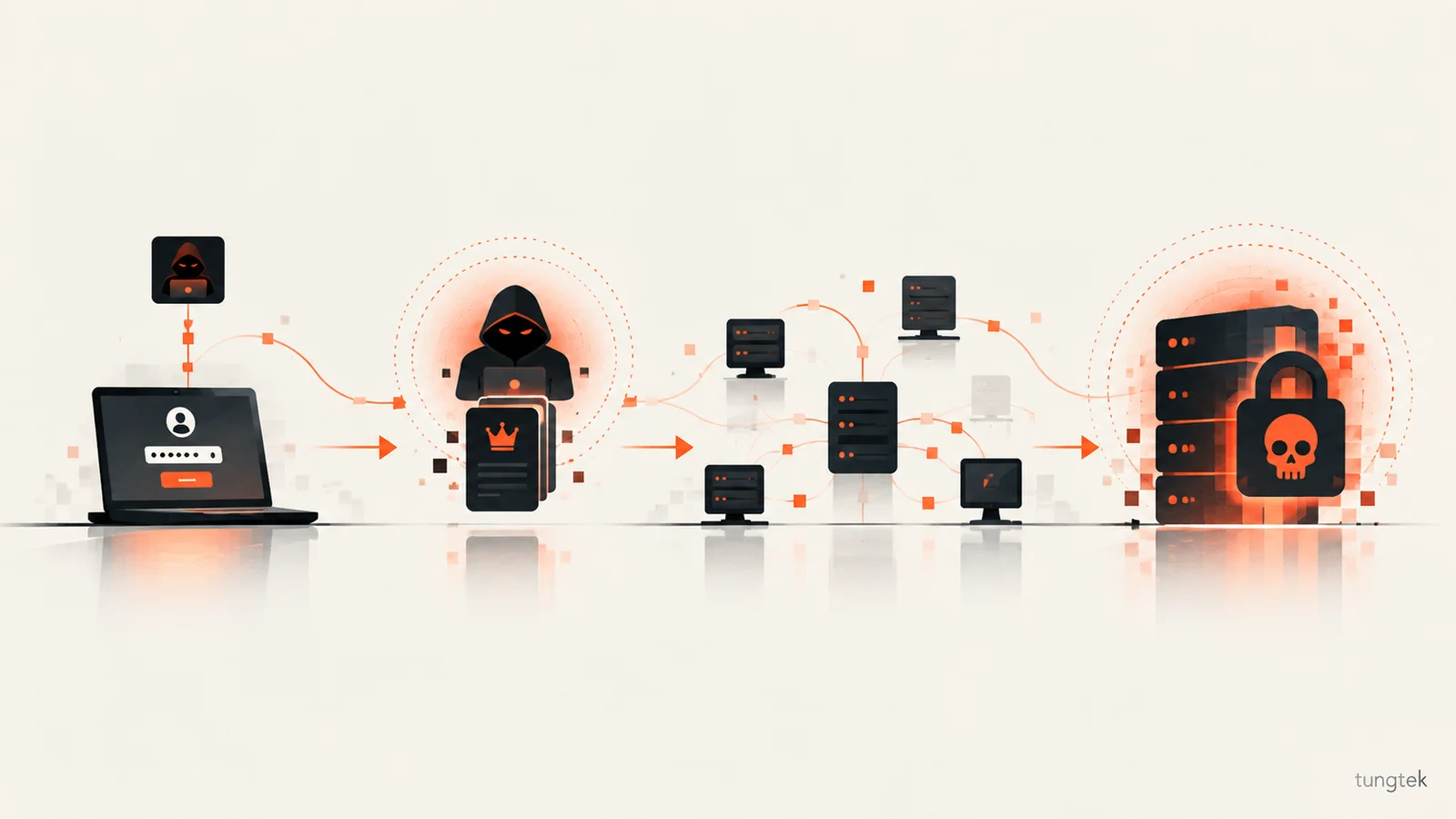
Many campaigns copy data out before encryption for double extortion. Cyble also reports growth in data theft, automated victim profiling and AI-assisted techniques.
Systems that cannot stop operating become high-value targets
Manufacturing and professional services are heavily represented in Cyble's August data. Operationally, a workstation failure is local; locked SQL Server, NAS, datastores or virtualization can halt an entire business.
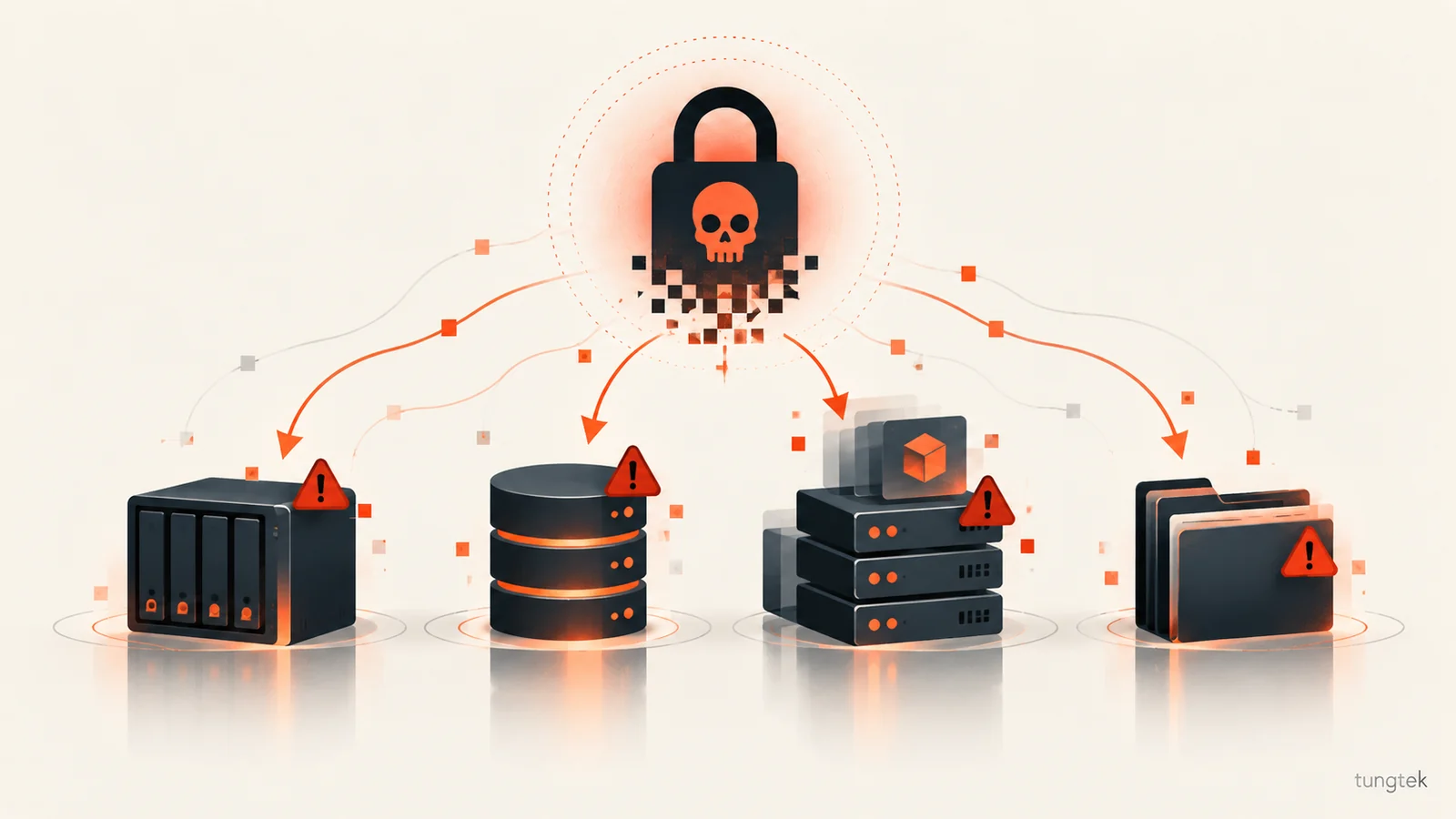
Check Point Research recorded 2,139 victims on data leak sites in Q2/2026, nearly flat versus Q1 but up 33% year over year. Sophos surveyed 2,158 organizations in 17 countries: 56% of ransomware incidents in the survey encrypted data, with average recovery costs of USD 1.7 million excluding ransoms.
After ransomware, “files remain” does not mean “usable data remains”
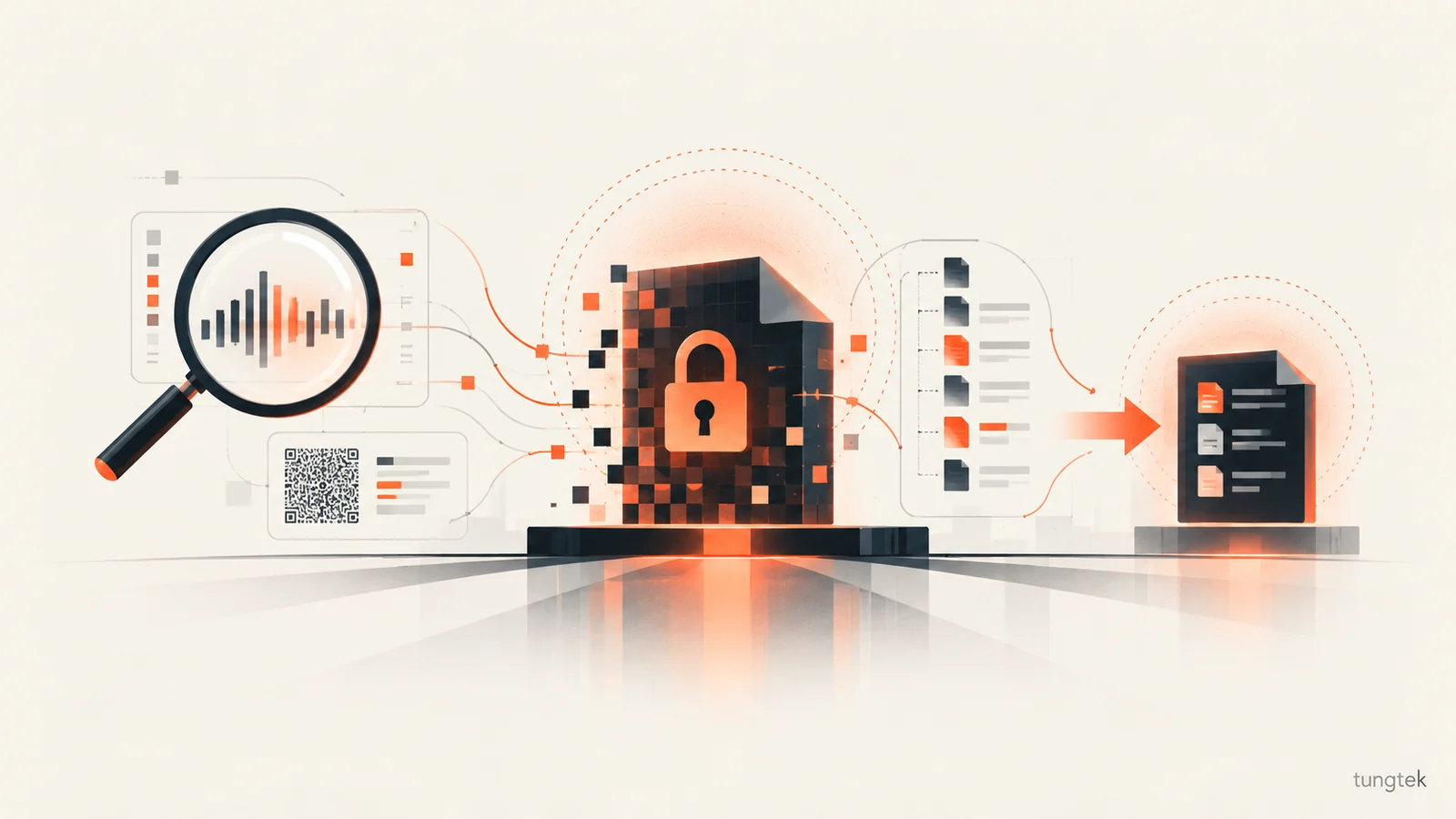
MDF, VHDX, VMDK, XLSX, PDF and archive files may retain their size while internal structures change. Conversely, partial encryption does not necessarily remove all value.
Depending on mechanisms, structure and writes, unaffected content may remain. Databases, VMs and complex formats can contain usable regions interleaved with altered regions.
Look deeper at binary structure, entropy, headers, page/block structure, encrypted regions, overwrite extent and original storage-device state.
Do not rush to operate on originals
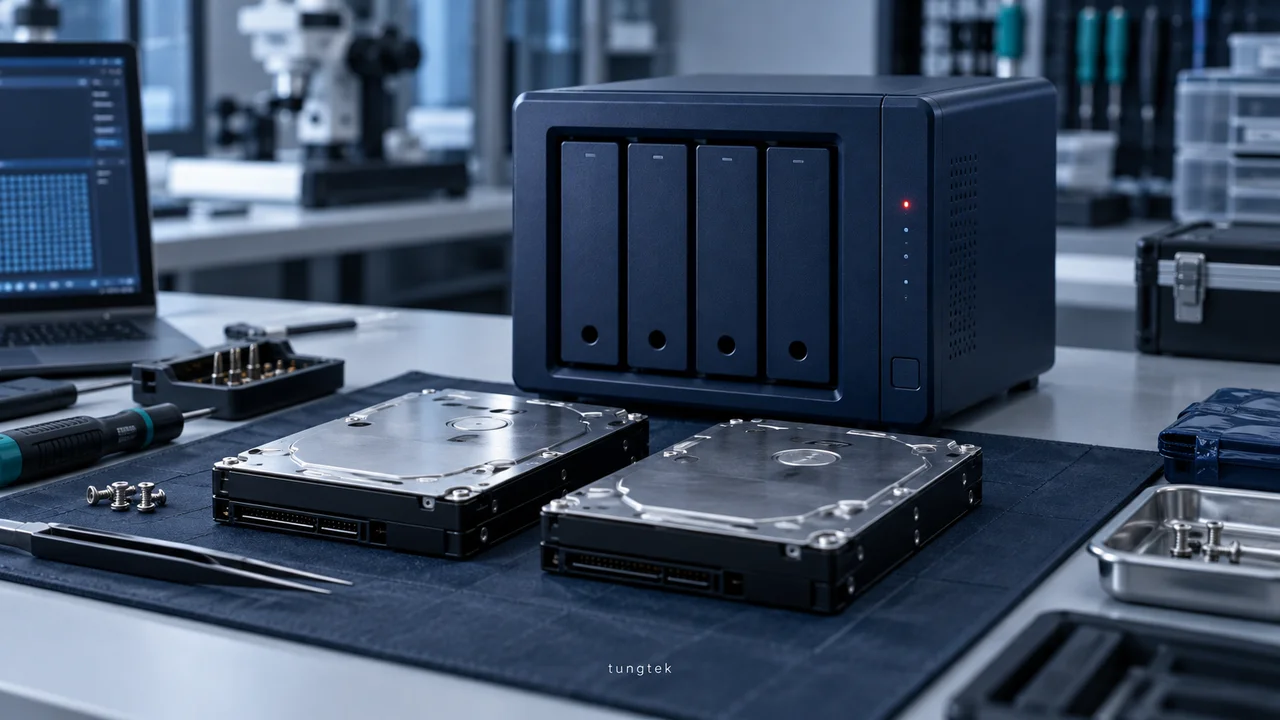
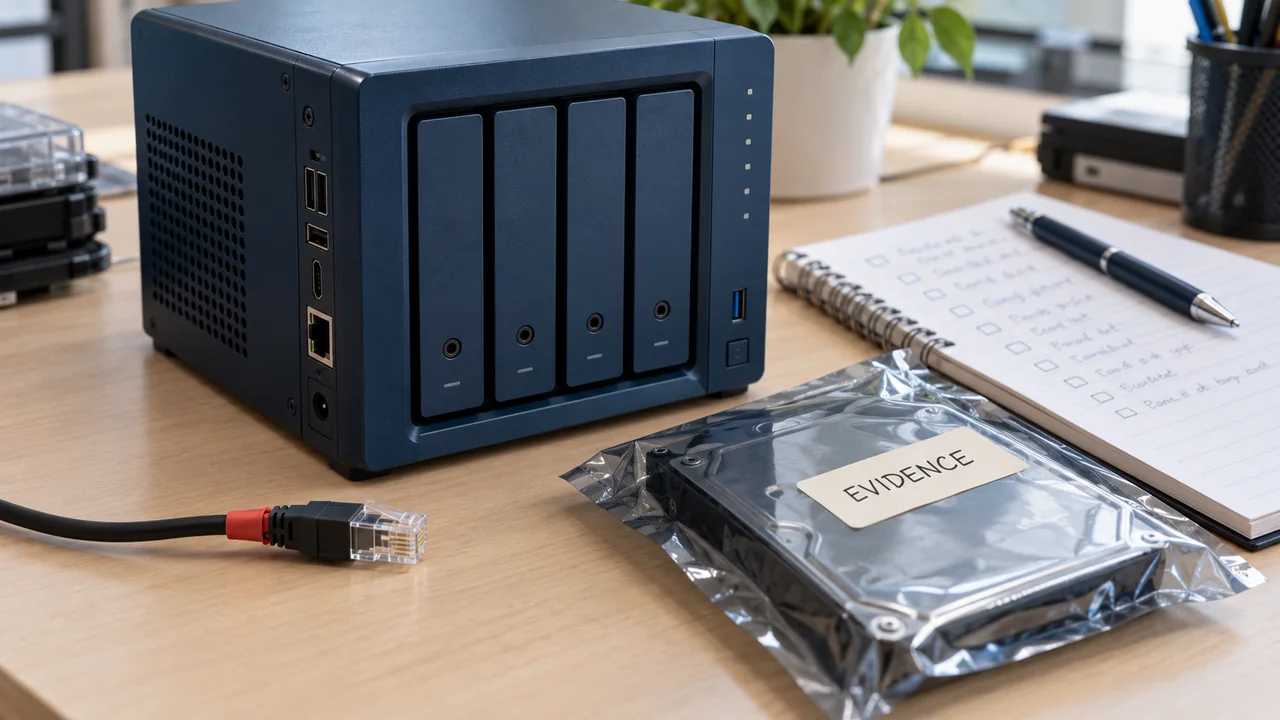
Direct experimentation on original drives or data is a dangerous post-ransomware mistake. Formatting, RAID rebuilding, new VMs on old datastores, new NAS writes or direct database repair can destroy otherwise recoverable regions.
RFC — Ransomware Fast Check before selecting a recovery approach
At CuuDuLieuMaHoa.com by TUNGTEK, RFC is a preliminary assessment for organizations needing to understand actual post-ransomware data conditions.
RFC is not merely about naming ransomware. Its more important question is:
Representative samples can be examined for structure, entropy, encryption patterns, altered regions and intact data. This is particularly relevant to SQL Server MDF/LDF, NAS/RAID, Hyper-V VHDX, VMware VMDK/datastores, file servers and business data.
No key does not necessarily mean no remaining data
A trustworthy decryptor or valid recovery key should be examined as a priority. Without a key, however, the assessment need not end.
Another approach is to extract valuable remaining data from affected files or devices, rather than only wait for a tool that unlocks everything.
This is why TUNGTEK uses the term encrypted data extraction: the goal is to retrieve as much actually usable data as possible while preserving originals.
An hour of downtime can cost far more than defense
Organizations should not ask only whether they will be attacked. Prepare for a more practical question: if systems are encrypted tonight, what can the business restore from tomorrow?
MFA, patching public-facing services, network segmentation, privileged-account protection, independent backups and restore tests remain foundations. Incident response also needs preparation for the worst case: ransomware has bypassed defenses and critical data is affected.
Sources
- Tuổi Trẻ Online, 30/09/2026 — “Ransomware attacks intensify: another organization hit every hour”.
- Cyble Research & Intelligence Labs — The Ransomware Brief, Aug 2026.
- Check Point Research — The State of Ransomware, Q2 2026.
- Sophos — The State of Ransomware 2026.
Sources
Each source's scope and date are recorded separately when available. A citation does not independently verify every assessment.
Update history
· Consolidated the original, changed the headline to distinguish claims from incidents, documented the Tuổi Trẻ source limit and retained partial-encryption / RFC analysis.
· Original publication date. The source records only a date; no publication time is invented.
Corrections policy